Ventilator care at home in Dubai has become an essential service for individuals who require continuous respiratory support but prefer the comfort and familiarity of their own environment. This approach not only ensures consistent medical supervision but also promotes a smoother recovery process. By combining professional care with a personalized home setting, patients can experience improved comfort, emotional well-being, and enhanced rehabilitation outcomes.
Understanding Ventilator Care at Home
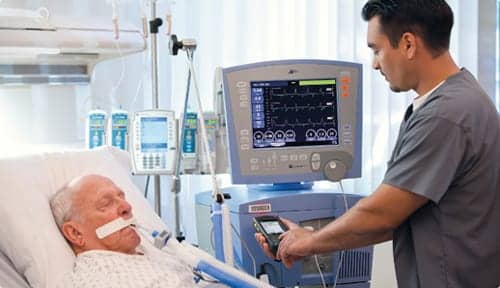
Ventilator Care at home Dubai involves a dedicated medical setup where trained professionals monitor and assist patients who need mechanical breathing support. This care ensures that patients receive round-the-clock attention, which is crucial for maintaining stability and addressing any sudden changes in respiratory health. It is designed to replicate the critical monitoring found in healthcare facilities while providing the patient with the freedom of being at home.
Personalized Support
One of the significant advantages of this care is the personalized approach. Care plans are tailored to the specific needs of the patient, taking into account medical history, current health conditions, and daily routines. Personalized support includes regular monitoring of vital signs, adjustment of ventilator settings based on real-time needs, and providing assistance with daily activities to reduce strain and promote comfort.
Emotional and Psychological Benefits
Recovery is not only physical but also emotional. Being in a familiar environment surrounded by loved ones can significantly reduce stress and anxiety. Patients are more likely to engage in therapy, maintain regular routines, and feel motivated during their recovery journey. Emotional support from family and caregivers complements professional care, enhancing overall recovery outcomes.
Key Benefits of Ventilator Care at Home
Continuous Monitoring and Safety
Having continuous monitoring at home ensures that any changes in respiratory patterns are detected immediately. This proactive approach reduces the risk of complications and allows for timely intervention. Skilled professionals are equipped to manage emergencies, ensuring safety while allowing patients to remain in a comfortable and familiar setting.
Enhanced Comfort and Mobility
Patients benefit from a less restrictive environment compared to traditional hospital stays. Being at home allows for greater freedom of movement, which can aid in physical therapy and rehabilitation exercises. This mobility supports lung function, circulation, and overall well-being, contributing to faster recovery.
Customized Rehabilitation
Home ventilator care allows for rehabilitation programs that are adapted to the patient’s pace and preferences. Exercises, respiratory therapies, and gradual mobility routines are all integrated into the daily schedule. This customization ensures that the recovery process is smooth, effective, and tailored to individual health requirements.
Daily Life Integration
Integrating ventilator care into everyday life is crucial for long-term recovery. Caregivers help patients manage routines, maintain hygiene, and perform exercises that support lung health. They also guide families on proper positioning, safe movement, and maintaining a healthy environment that reduces strain and promotes healing.
Nutrition and Hydration
Proper nutrition plays a vital role in recovery. Caregivers work alongside patients to ensure balanced meals and adequate hydration. Nutritional support enhances energy levels, strengthens immunity, and improves overall recovery outcomes.
Social Interaction and Engagement
Maintaining social connections during recovery is important for mental health. Home care encourages interaction with family and friends while balancing rest and therapy sessions. This engagement prevents feelings of isolation, promotes positivity, and supports cognitive function during recovery.

Frequently Asked Questions
What Does the Process Involve?
The process begins with a thorough assessment of the patient’s condition. A care plan is developed, including ventilator setup, monitoring schedules, rehabilitation exercises, and lifestyle adjustments. Continuous evaluation ensures that care is adapted to the patient’s progress.
Who Provides the Care?
Trained and experienced healthcare professionals are responsible for providing ventilator care. They work alongside family members to ensure a smooth transition and maintain the patient’s comfort and safety.
How Does Recovery Benefit from Home Care?
Recovery benefits from home care through continuous monitoring, personalized rehabilitation, emotional support, and integration of daily activities. The familiar environment enhances compliance with therapy routines and motivates patients to actively participate in their recovery.
How Is Progress Tracked?
Progress is tracked through regular assessments, monitoring of vital signs, and evaluation of respiratory function. Care plans are updated based on observed improvements, ensuring that therapy remains effective and responsive to the patient’s needs.
Supportive Environment for Recovery
Creating a supportive home environment is key. This includes arranging a comfortable space, minimizing hazards, and ensuring easy access to equipment. Proper organization enhances patient independence while allowing caregivers to provide efficient and effective support.
Family Involvement
Family members play an essential role in supporting recovery. Their involvement in daily routines, therapy encouragement, and emotional support strengthens the patient’s confidence and helps maintain consistency in care.
Flexibility in Care Schedules
Ventilator care at home offers flexibility in daily schedules, allowing therapy and rest periods to be arranged around the patient’s natural rhythms. This flexibility reduces fatigue, promotes better sleep, and supports overall physical and emotional recovery.
Post-Treatment Considerations
While ventilator care primarily focuses on ongoing support, preparing for gradual reduction in dependency is also important. Care plans often include strategies for transitioning patients to less intensive respiratory support as their condition improves, ensuring a safe and manageable recovery progression.
Coordinated Care Approach
The approach combines respiratory therapy, physical rehabilitation, nutrition management, and emotional support into a cohesive care plan. Coordination ensures that every aspect of the patient’s recovery is addressed, promoting long-term health and stability.
Conclusion
Ventilator Care at home in Dubai plays a vital role in supporting recovery by providing a comprehensive, personalized, and emotionally supportive environment. Through continuous monitoring, tailored rehabilitation, and integration into daily life, patients experience faster and more comfortable recovery. The combination of professional care and familiar surroundings not only enhances physical healing but also strengthens.