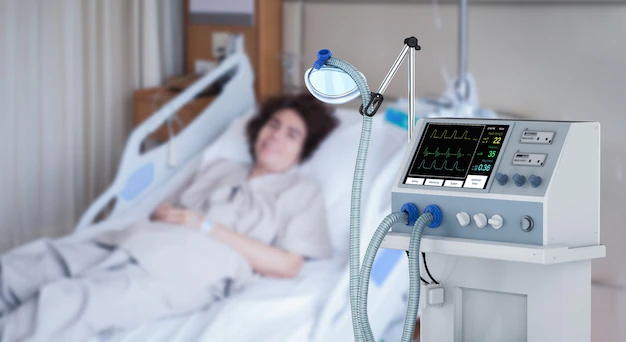
Ventilator care at home in Dubai has become an essential service for patients who require long-term respiratory support while recovering from severe illnesses or surgeries. Unlike hospital settings, home care provides a comforting and familiar environment, which can positively influence a patient’s overall recovery. Patients benefit from a personalized approach where care routines are tailored to individual needs, allowing them to heal more effectively while maintaining a sense of normalcy and independence. Families are also actively involved, ensuring emotional support is always present.
The Role of Continuous Monitoring
One of the primary advantages of Ventilator Care at home Dubai is continuous monitoring. Health professionals or trained caregivers keep a close watch on vital signs, breathing patterns, and ventilator settings. This constant attention ensures that any changes in the patient’s condition are detected early, reducing the risk of complications. Continuous monitoring also promotes adherence to treatment protocols, which is crucial for patients recovering from respiratory distress or chronic illnesses.
Personalized Care Plans
Home-based ventilator care allows for the development of highly individualized care plans. Caregivers assess the patient’s condition and adjust ventilator settings, feeding schedules, and physical therapy routines accordingly. This flexibility helps patients avoid unnecessary stress and discomfort while encouraging active participation in their recovery. Personalized care plans often include regular assessment of lung function, oxygen levels, and physical mobility, ensuring that every aspect of recovery is addressed efficiently.
Emotional and Psychological Benefits
Recovery is not only physical but also psychological. Being in a familiar environment surrounded by loved ones can significantly reduce anxiety and stress, which are known to affect healing. Ventilator care at home fosters a calm and supportive atmosphere, where patients feel safe and cared for. Emotional well-being is closely linked to physical recovery, making home care an essential part of holistic treatment. Positive mental health also encourages better sleep patterns and overall energy levels, further boosting the recovery process.
Enhanced Mobility and Daily Routine
In a hospital setting, mobility is often limited due to space constraints and strict routines. At home, patients have more freedom to move, which promotes better circulation, muscle strength, and lung capacity. Caregivers can incorporate light exercises and daily routines into the recovery plan, improving both physical resilience and mental stimulation. Engaging in familiar daily activities also gives patients a sense of purpose, which can significantly accelerate the healing process.
Family Involvement in Recovery
Family involvement is another key factor that improves recovery rates with ventilator care at home. Loved ones can participate in basic care tasks, provide emotional support, and observe any changes in health status. This close involvement enhances communication between caregivers and patients, ensuring that care adjustments are made promptly. The family’s presence also offers encouragement and motivation, which is invaluable for patients who may feel isolated or anxious about their condition.
Reduced Risk of Infections
Hospitals, despite rigorous sanitation measures, expose patients to higher risks of infections due to multiple patients sharing the same space. Ventilator care at home minimizes exposure to such risks, offering a controlled and clean environment. Maintaining proper hygiene, equipment sanitation, and air quality at home can prevent secondary infections and respiratory complications, which are critical for faster recovery. This controlled setting ensures that the patient’s immune system is not compromised unnecessarily.
Structured Routine and Regular Care
Consistency in care routines is a hallmark of home-based ventilator support. Patients follow a structured schedule for feeding, medication administration, physiotherapy, and ventilator adjustments. Structured routines help stabilize the patient’s condition, reduce confusion, and provide a sense of normalcy. Regular care ensures that minor issues are addressed promptly, avoiding escalation into serious complications and supporting a smoother recovery trajectory.
Professional Supervision and Guidance
Even in a home setting, ventilator care involves professional supervision. Trained caregivers and respiratory therapists provide expert guidance on device management, breathing exercises, and patient positioning. Their presence guarantees that all procedures are conducted safely and efficiently, which is essential for maintaining optimal respiratory function. Ongoing education and support also empower families to participate confidently in care, strengthening the overall recovery process.

FAQs About Ventilator Care at Home
How Often Are Home Visits Scheduled?
Care visits are scheduled based on the patient’s condition and recovery stage. Frequent monitoring during critical phases ensures that any changes are promptly addressed, while stable patients may require less frequent visits.
Can Patients Move Around Freely While on a Ventilator?
Yes, with professional guidance, patients can engage in gentle movement and daily activities. This mobility supports circulation, lung expansion, and muscle strength, all of which contribute to faster recovery.
How Are Emergencies Managed at Home?
Caregivers are trained to respond quickly to emergencies. Protocols include ventilator troubleshooting, oxygen management, and immediate communication with healthcare teams if advanced intervention is needed.
What Makes Home Care More Effective Than Hospital Care?
The combination of personalized attention, emotional support, structured routines, and reduced exposure to infections makes home ventilator care highly effective in improving recovery outcomes.
Benefits of Long-Term Ventilator Support at Home
Long-term ventilator support at home allows patients to recover without the stress of hospitalization. Familiar surroundings reduce psychological strain, while personalized care ensures adherence to treatment plans. Patients experience a smoother recovery due to constant monitoring, family support, and controlled environments that minimize infection risks. Daily routines and physical activity further enhance healing, making the recovery process more comfortable and sustainable.
How Ventilator Care at Home Supports Overall Recovery
The holistic approach of home ventilator care addresses both physical and emotional needs. Patients benefit from customized care plans, family involvement, and professional supervision, all of which promote faster improvement. Reduced hospital exposure, structured routines, and continuous monitoring ensure that patients regain strength and respiratory function efficiently. Over time, home care empowers patients to regain independence and confidence, which is critical for long-term well-being.
Conclusion
Ventilator Care at home in Dubai significantly improves recovery rates by combining medical expertise with emotional support, structured routines, and a controlled environment. Patients enjoy the benefits of personalized care, constant monitoring, and family involvement, which collectively accelerate healing. The holistic nature of home care addresses both physical and psychological needs, offering a safe, supportive, and effective path to recovery. Choosing home-based ventilator care allows patients to heal comfortably while fostering independence and well-being