Diabetic Foot Care at home in Dubai plays a crucial role in preventing complications related to diabetes. Regular checkups can make a significant difference in maintaining foot health and overall well-being. Many individuals underestimate the importance of routine examinations, but these checkups help identify problems early, allowing for timely intervention. Establishing a consistent foot care routine combined with professional guidance ensures better mobility, reduces risks of infections, and enhances the quality of life for those managing diabetes.
Understanding Diabetic Foot Care at Home
Diabetic Foot Care at home Dubai involves daily monitoring, cleaning, and assessing the feet to prevent issues such as infections, ulcers, or neuropathy. Maintaining proper hygiene, inspecting for cuts, blisters, or swelling, and ensuring that the feet remain moisturized without causing excessive dampness are all essential steps. Routine checkups complement these daily practices, providing an additional layer of safety through professional oversight.
Importance of Routine Foot Assessments
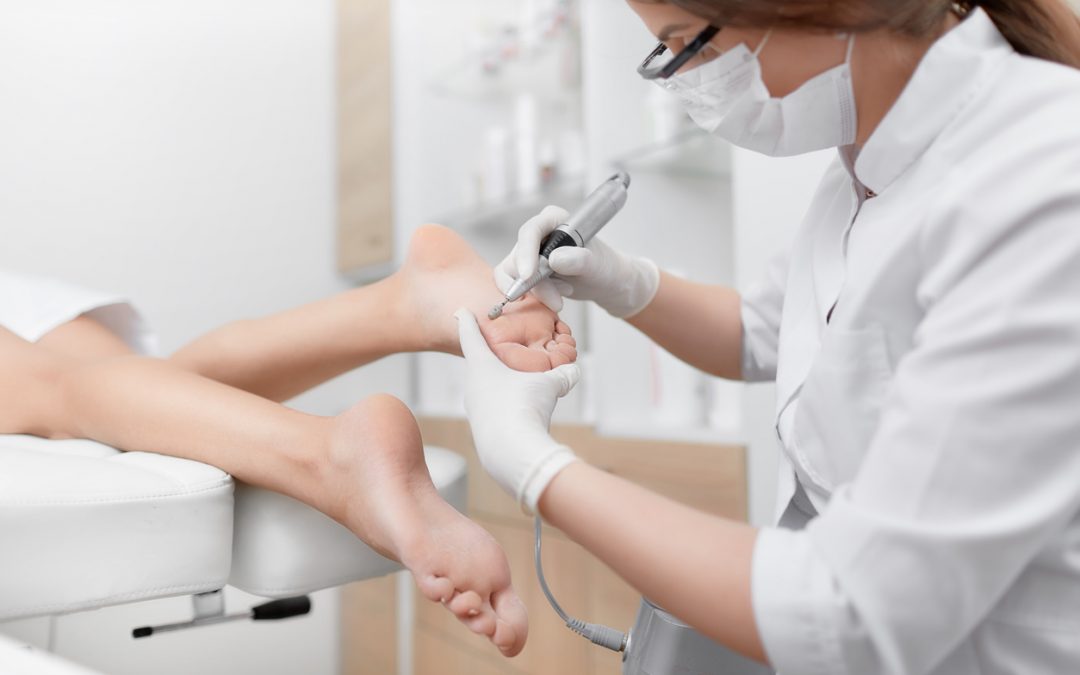
Regular checkups help in the early detection of subtle changes that may not be noticeable during self-care. These assessments focus on circulation, sensation, and skin integrity, which are vital for preventing serious complications. A foot examination during a checkup can reveal conditions like fungal infections, pressure points, or signs of poor blood flow. Identifying these early allows for preventive measures to be implemented, reducing the likelihood of severe outcomes.
Detecting Neuropathy Early
Neuropathy, a common complication in diabetes, reduces sensation in the feet, making injuries harder to detect. Routine checkups help in identifying neuropathy at its early stages, allowing for adjustments in daily care practices. Early detection ensures that individuals can take precautions like wearing appropriate footwear, adjusting walking habits, or modifying at-home care routines to protect their feet from unnoticed trauma.
Monitoring Circulation and Skin Health
Proper circulation is vital for healing minor injuries and preventing infections. During regular checkups, circulation is assessed to identify any areas with compromised blood flow. Monitoring skin health, including checking for dryness, cracks, or discoloration, ensures that issues are addressed promptly. Maintaining healthy skin through these checkups reduces the risk of ulcers and infections while supporting overall foot function.
Preventing Infections and Complications
Regular checkups play a preventive role in diabetic foot care at home in Dubai. By consistently monitoring and addressing minor issues before they escalate, infections can be prevented. Early identification of wounds or pressure points allows for immediate care, reducing the risk of complications that may require more intensive interventions. This proactive approach ensures that the feet remain healthy and functional.
Supporting Mobility and Independence
Maintaining foot health through regular checkups directly supports mobility. Healthy feet enable individuals to move comfortably, reducing the risk of falls or injuries. Routine assessments help track progress and identify potential mobility challenges early. By keeping the feet in optimal condition, individuals can continue daily activities with confidence and independence.
Education and Awareness
During regular checkups, individuals receive guidance on proper diabetic foot care at home in Dubai. Education includes instruction on safe cleaning techniques, nail care, and recognizing warning signs of complications. This knowledge empowers individuals to take an active role in their foot health, complementing professional evaluations and enhancing long-term outcomes.
Incorporating Foot Care Treatments
Effective diabetic foot care combines daily home practices with treatment strategies identified during regular checkups. Treatments may include protective measures for sensitive areas, pressure relief techniques, or specialized cleaning routines to reduce infection risks. Following recommendations provided during checkups ensures that treatments are personalized, practical, and aligned with each individual’s needs.
Enhancing Confidence and Reducing Anxiety
Routine checkups provide reassurance for individuals managing diabetic foot care. Knowing that feet are being evaluated regularly reduces anxiety about unseen complications. This psychological benefit encourages adherence to home care routines, promoting consistency and better long-term foot health outcomes.
FAQs About Regular Checkups in Foot Care
How often should checkups occur?
Checkups are ideally scheduled based on individual needs, with more frequent visits recommended for those with previous foot issues or higher risk factors.
What signs indicate a need for immediate evaluation?
Redness, swelling, persistent pain, or any open wounds should prompt immediate attention during a routine checkup.
Can checkups replace daily foot care?
No, daily foot care remains essential. Regular checkups complement home care by identifying issues that may not be visible or noticeable.
Are there specific techniques used during checkups?
Assessments often include visual inspections, sensation tests, and circulation evaluations to ensure comprehensive foot health monitoring.
How do checkups impact long-term outcomes?
Consistent checkups contribute to early detection, effective treatment, and overall prevention of serious complications, supporting long-term mobility and quality of life.

Benefits of Combining Daily Care With Professional Oversight
Integrating daily foot care routines with regular checkups ensures a holistic approach to diabetic foot care at home in Dubai. This combination allows for preventive care, timely treatment, and continuous monitoring, creating a robust strategy for maintaining foot health. The synergy between self-care and professional guidance reduces risks, improves healing, and provides peace of mind.
Conclusion
Regular checkups significantly enhance Diabetic Foot Care at home in Dubai by enabling early detection, preventing complications, and supporting daily foot maintenance. They provide education, guidance, and reassurance, making foot health management more effective and stress-free. Combining routine professional assessments with diligent at-home care ensures optimal outcomes, promotes independence, and safeguards overall well-being.