Disease management at home in Dubai refers to a structured approach to managing chronic or acute health conditions from the comfort of one’s living environment. This practice emphasizes consistent monitoring, personalized care routines, and lifestyle adjustments to support overall well-being. Patients receive tailored guidance, allowing them to maintain control over their health while avoiding unnecessary stress associated with hospital visits or clinical procedures. By adopting these strategies, individuals can focus on recovery in a familiar setting, which inherently reduces anxiety and promotes relaxation.
How Home-Based Disease Management Supports Mental Health
Creating a Comfortable Environment
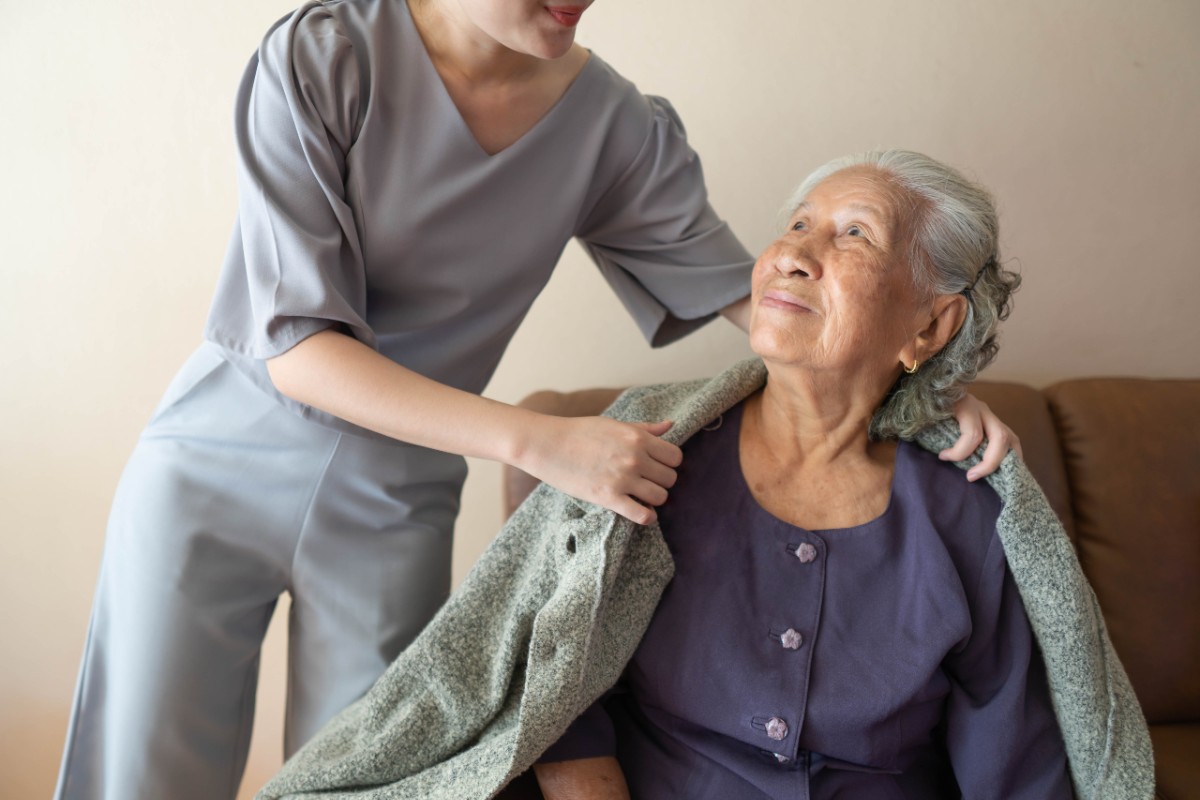
Being Disease Management at home Dubai allows patients to stay in a familiar and safe space. Comfort and familiarity are essential in reducing stress because the mind associates the environment with safety. Individuals often feel more relaxed when surrounded by personal belongings, pets, or family members. This emotional comfort can enhance the effectiveness of disease management programs, making adherence to treatment plans easier and more consistent.
Personalizing Care Routines
Disease management at home can be customized to fit personal schedules and preferences. Patients can receive care according to their energy levels, dietary habits, and daily routines. This flexibility reduces the pressure that often comes with rigid clinical schedules and allows patients to feel more in control of their own health journey. The ability to manage treatment timelines without external pressures significantly lowers stress levels.
Reducing Travel and Logistical Stress
Traveling to medical facilities frequently can be exhausting and contribute to mental fatigue. Home-based management eliminates the need for repeated trips, thereby reducing the physical and emotional burden on patients. This convenience not only saves time but also ensures that individuals can maintain a calm and stable routine while managing their condition effectively.
Benefits of Disease Management at Home in Dubai
Continuous Monitoring
Home-based disease management allows for ongoing observation of vital health indicators. Regular monitoring can identify early warning signs of potential complications, preventing emergencies that often trigger stress. This proactive approach reassures patients and caregivers alike, promoting a sense of safety and preparedness.
Emotional Support and Companionship
Managing a disease from home often involves family members or caregivers who provide emotional support. Having close support during treatment helps individuals feel understood and valued, which is a powerful stress reducer. Emotional companionship encourages patients to adhere to treatment plans without feeling isolated or overwhelmed.
Integration with Daily Life
Disease management at home seamlessly integrates treatment with everyday activities. Patients can maintain social interactions, work responsibilities, and personal hobbies while adhering to their healthcare routines. This balance prevents the feeling of being confined by illness and supports mental well-being, reducing stress associated with life disruptions.
How the Process Works
Initial Assessment and Planning
The process begins with a comprehensive assessment of the patient’s health status and specific needs. Based on this evaluation, a personalized care plan is developed to address the condition effectively while promoting comfort and relaxation.
Routine Monitoring and Intervention
Home-based disease management often includes regular monitoring of vital signs, medication adherence, and lifestyle adjustments. This continuous observation helps prevent sudden health crises, which are common triggers for anxiety and stress.
Lifestyle and Wellness Integration
Alongside medical care, patients receive guidance on nutrition, physical activity, and sleep hygiene. Incorporating wellness practices into daily routines not only enhances physical health but also boosts emotional resilience, contributing to a stress-free recovery experience.
Frequently Asked Questions (FAQs)
What Types of Conditions Can Be Managed at Home?
Home-based management can support a variety of chronic and acute conditions, including respiratory issues, cardiovascular disorders, diabetes, and musculoskeletal challenges. The key is a tailored plan that addresses the specific needs of each patient while ensuring convenience and comfort.
How Soon Can Patients Notice Reduced Stress?
Patients often experience a noticeable reduction in stress within a few days to weeks of starting home-based management. The combination of a familiar environment, personalized care, and continuous monitoring contributes to emotional calm and peace of mind.
Are There Any Special Requirements for Home-Based Care?
Most home-based programs require basic medical equipment, clear communication with caregivers, and a commitment to following treatment routines. Creating a calm and organized environment further enhances the stress-reducing benefits of disease management.
Can Home-Based Management Improve Sleep and Energy Levels?
Yes, patients often report better sleep quality and increased energy. Reduced travel, fewer disruptions, and a comfortable environment all contribute to restorative rest and improved overall vitality, which indirectly reduces stress.
Is Emotional Support a Part of the Program?
Emotional support is integral to home-based disease management. Caregivers and family members play a crucial role in motivating patients, offering reassurance, and providing companionship, which collectively alleviate stress and foster positive mental health.
Supporting Both Physical and Emotional Wellness
Disease management at home focuses not only on treating physical symptoms but also on nurturing emotional well-being. The combined approach ensures that patients feel empowered and capable of managing their condition effectively. This dual focus allows individuals to regain confidence, maintain independence, and enjoy a higher quality of life, all of which are essential in reducing stress.
Long-Term Stress Reduction Benefits
Building Confidence in Self-Care
Regular home-based care helps patients build confidence in their ability to manage their own health. Feeling competent and capable alleviates the fear and uncertainty that often accompany medical conditions, resulting in long-term stress reduction.
Encouraging Healthy Habits
Disease management at home fosters the development of healthy routines, including balanced nutrition, exercise, and mindfulness practices. These habits contribute to sustained emotional well-being and resilience, minimizing stress over time.
Strengthening Support Networks
By involving family members and caregivers, home-based management creates a network of support that continues beyond individual treatment sessions. This ongoing social interaction and encouragement can serve as a buffer against stress, providing patients with emotional security.

When to Expect Noticeable Stress Relief
Stress reduction is often noticeable within the first few weeks of implementing home-based disease management routines. Patients tend to feel more at ease, sleep better, and experience improved mood as they adapt to the personalized care and supportive environment. Over time, these benefits consolidate, leading to sustained emotional stability and improved quality of life.
Conclusion
In conclusion, Disease Management at home in Dubai offers a unique approach to reducing stress by combining personalized care, continuous monitoring, and emotional support within a familiar environment. The integration of health management into daily life enhances convenience, builds confidence, and nurtures emotional resilience. Patients benefit from both physical and mental well-being, achieving a sense of calm and control that traditional medical settings often cannot provide. The process ultimately supports long-term stress reduction, helping individuals live