Hijama Cupping Therapy in Dubai has long been seen as a meaningful practice that blends history, culture, and well-being. This therapy is not just about physical relief but also about preserving traditions passed down through generations. People often explore it to connect with an age-old method that continues to hold significance in today’s lifestyle. Understanding the roots and customs behind this therapy helps one appreciate how deeply it is woven into community practices and beliefs. Let’s dive into Hijama Cupping Therapy in Dubai.
Historical Origins of Hijama Practices
Hijama has a history that stretches back centuries, with strong cultural influences shaping its use. The method was often practiced in regions where traditional healing carried both spiritual and physical value. Passed down orally and through community gatherings, the therapy became more than a technique—it became part of a shared cultural identity.
Influence of Ancient Civilizations
Many early civilizations valued cupping as a therapeutic approach. These traditions slowly merged with local customs, influencing the way Hijama is carried out today. The focus was not only on health but also on maintaining balance between body and mind.
Oral Teachings and Family Practices
Elders within families would often guide younger generations on the principles of Hijama. These teachings emphasized respect, timing, and ritual, all of which remain key to the practice. The knowledge was treated as a trust, ensuring authenticity remained intact.
Spiritual Significance in Traditional Beliefs
The therapy carries more than just physical benefits; it has deep spiritual connections. It was often linked to cleansing, renewal, and harmony. Many communities considered Hijama part of a lifestyle rooted in faith and cultural duty.
Rituals Before the Procedure
Traditional customs often encouraged preparation before the therapy. This included practices such as fasting, prayer, or moments of reflection. These rituals highlighted the belief that Hijama was as much about inner renewal as it was about outer healing.
Cultural Celebrations and Observances
In some regions, Hijama was carried out on specific days considered spiritually significant. This timing added a sacred layer to the practice, ensuring it was aligned with cultural and spiritual calendars.
Social Role of Hijama in Communities
Hijama was more than a personal health choice; it often became a social activity that brought communities together. Friends, families, and neighbors gathered to share experiences, making the therapy a bonding tradition.
Role of Community Elders
Community leaders or respected individuals were often entrusted with the knowledge and skills of Hijama. Their guidance ensured practices remained aligned with cultural values and respected traditions.
Generational Continuity
The therapy played an important role in maintaining continuity across generations. Younger members would observe and later participate, ensuring that Hijama remained part of shared heritage.
Symbolism Behind the Practice
Hijama has always carried symbolic meaning beyond its therapeutic use. To many, it symbolized release, renewal, and balance. These symbolic layers enriched the experience, making it deeply rooted in cultural philosophy.
Symbol of Cleansing
Many believed that the therapy symbolized removing negativity or unwanted elements from the body. This symbolic cleansing enhanced the sense of renewal and well-being.
Symbol of Strength and Resilience
Hijama also represented endurance and strength. Those who embraced the therapy were seen as taking proactive steps toward maintaining vitality.
Timing and Traditional Guidelines
Time has always been a crucial element in the practice of Hijama. Traditionally, certain days, phases of the moon, or seasonal markers were considered ideal. These customs emphasized the importance of aligning therapy with natural cycles.
Lunar Calendar Connections
In many traditions, lunar phases were seen as guiding forces for the therapy. Specific phases were thought to enhance the effectiveness of Hijama, linking it with natural rhythms.
Seasonal Preferences
Communities also observed seasonal preferences, where certain times of the year were considered better for the therapy. This was based on traditional beliefs about balance and harmony within the body.
The Process of Hijama Cupping
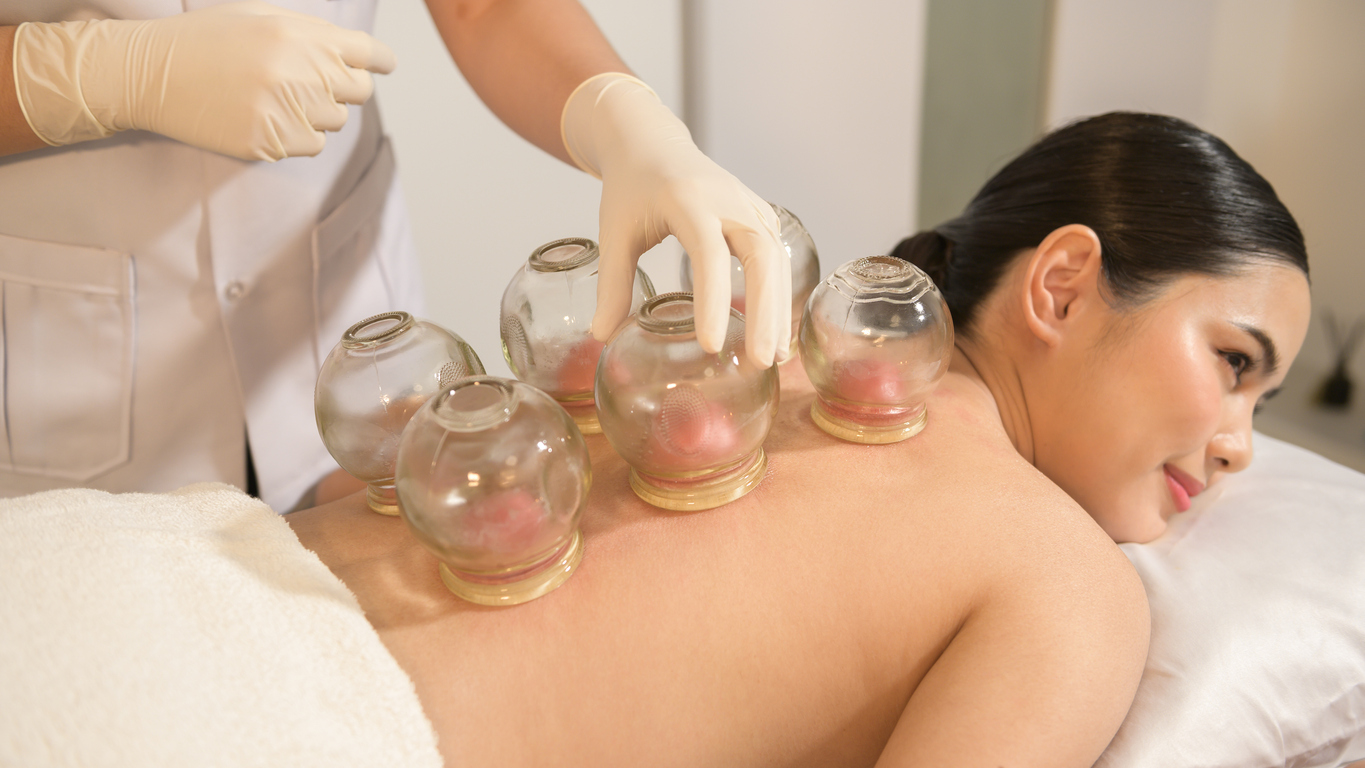
The traditional process has always been approached with care and respect. It involves preparing the body, applying cups, and following rituals that ensure the therapy is performed in harmony with cultural teachings.
Preparation Steps
Traditionally, preparation included cleanliness and sometimes short periods of fasting or rest. These steps highlighted the importance of readiness before the therapy.
Application of Cups
The cups were applied with techniques passed down through generations. Each step was treated with significance, ensuring respect for tradition remained intact.
Benefits Highlighted in Traditional Context
Hijama was widely valued for its wide range of benefits. People believed it supported balance, improved energy, and promoted general well-being. Beyond health, it offered emotional and spiritual reassurance.
Physical Benefits
Communities associated the therapy with relief from physical discomfort, improved circulation, and enhanced vitality. It was considered a way of maintaining strength and resilience.
Emotional and Spiritual Benefits
Equally important were the emotional and spiritual aspects. Hijama was believed to encourage calmness, reduce stress, and align the mind with a sense of inner peace.
Cultural Practices That Preserve the Tradition
Even in modern times, many traditional practices remain central to Hijama. These include respect for elders’ knowledge, observance of ritual days, and maintaining cultural values around wellness.
Storytelling and Knowledge Sharing
Stories about the therapy are still shared within communities, keeping traditions alive. These stories remind people of the values and beliefs tied to Hijama.
Respect for Customary Values
Respect continues to play a central role. The therapy is not just seen as a treatment but as a heritage that carries meaning beyond physical well-being.

FAQs About Traditional Hijama Practices
Why is timing important in Hijama?
Timing is considered essential because many traditions emphasize alignment with lunar phases and seasonal cycles, believed to enhance effectiveness.
What role does culture play in Hijama?
Culture shapes the rituals, timing, and symbolism of the therapy, making it more than a health practice—it becomes part of identity and heritage.
Is Hijama practiced in social gatherings?
Yes, in many traditions, Hijama was often part of group settings, where families and communities gathered, turning it into a collective experience.
Conclusion
Hijama Cupping Therapy Dubai remains a practice that unites cultural tradition with personal wellness. Its roots lie in centuries-old customs that valued balance, symbolism, and community. From timing and rituals to spiritual meaning, every aspect reflects heritage that continues to inspire people today. Those who seek this therapy often discover not only its physical benefits but also the deeper cultural values it represents. By preserving traditions, Hijama continues to stand as a bridge between past and present, offering renewal, balance, and a lasting sense of connection.