Root canal procedures are a common solution for dental pain and infection, offering long-term relief while preserving natural teeth. Root Canal Treatment Dubai is designed to remove infection from the inner part of the tooth and restore its function, ensuring oral health is maintained efficiently. Many people wonder what exactly happens during this treatment and how it improves overall dental wellness. This guide provides a friendly, informative overview of the procedure, its benefits, and what patients can expect.
Understanding the Need for Root Canal Treatment
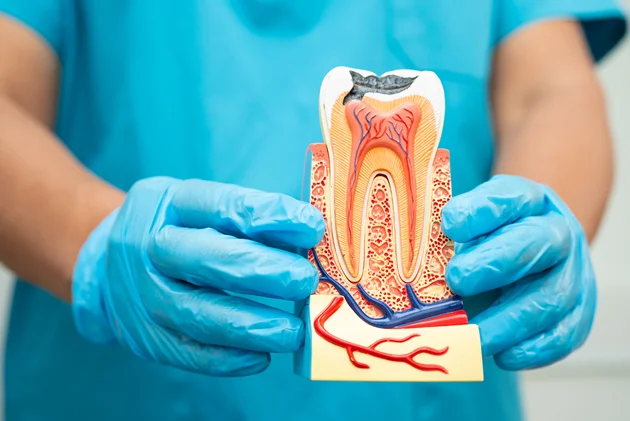
Root canal treatment is recommended when the pulp inside the tooth becomes infected or damaged due to decay, trauma, or deep cavities. The pulp contains nerves, blood vessels, and connective tissue, which are essential for tooth development. Once infected, the pulp can cause severe pain, sensitivity, and swelling. Root canal treatment removes the affected tissue, prevents the spread of infection, and allows the tooth to function normally again.

Initial Examination and Diagnosis
The first step in the process is a comprehensive dental examination. The dentist evaluates the tooth through visual inspection and diagnostic imaging to identify the extent of the infection. This ensures the correct treatment approach is planned and helps explain the procedure to the patient. This stage is essential to understand which teeth require treatment and to outline the expected outcomes.
Local Anesthesia Administration
Before starting the procedure, the dentist administers local anesthesia to ensure a comfortable experience. The anesthesia numbs the tooth and surrounding area, making the process virtually painless. Patients remain awake throughout the treatment and can communicate with the dentist, ensuring a calm and stress-free experience.
Accessing the Tooth Pulp
Once the area is numb, the dentist creates a small opening in the tooth’s crown to access the infected pulp. This allows the dental professional to clean out the bacteria, decayed tissue, and debris. Special tools are used to ensure that all affected areas are thoroughly removed. Proper cleaning at this stage is crucial to prevent reinfection and maintain the health of the tooth.
Cleaning and Shaping the Root Canals
After accessing the pulp, the dentist carefully cleans and shapes the root canals. This involves removing all remnants of infected tissue and preparing the canals for filling. The shaping ensures the canals can be sealed effectively, preventing bacteria from re-entering. The process may involve gentle irrigation to flush out bacteria and small debris from the canals.
Filling the Canals
Once the canals are fully cleaned and shaped, they are filled with a biocompatible material to seal the tooth. This prevents future infection and supports the structural integrity of the tooth. The filling is often complemented by a temporary restoration, which protects the tooth until a permanent restoration is placed.
Permanent Restoration
After the root canal is completed, the tooth usually requires a permanent restoration, such as a crown. This step ensures that the tooth regains its strength, appearance, and functionality. The restoration protects the tooth from fractures and further decay, allowing patients to chew and bite normally.
Benefits of Root Canal Treatment
Root canal treatment offers several advantages beyond just pain relief. It preserves natural teeth, which helps maintain proper alignment and oral function. The procedure also prevents the need for tooth extraction and reduces the risk of infection spreading to adjacent teeth. Patients often experience improved chewing efficiency and overall oral comfort following treatment.
Managing Sensitivity and Comfort
It is common for teeth to feel slightly sensitive after the procedure. This sensitivity typically decreases over time and can be managed with routine oral hygiene and professional guidance. Maintaining a balanced oral care routine supports healing and enhances the longevity of the treated tooth.
FAQs About Root Canal Treatment
What is the duration of the procedure?
The length of a root canal procedure can vary depending on the complexity of the infection and the number of canals in the tooth. Most treatments are completed in one to two visits, ensuring a thorough approach.
Is root canal treatment painful?
With modern techniques and anesthesia, patients report minimal discomfort during the procedure. Post-treatment sensitivity is normal and gradually diminishes over time.
How does the tooth function after treatment?
Once fully restored, the treated tooth functions like a natural tooth, allowing normal chewing and biting. Regular dental check-ups help maintain the health of the restored tooth.
Can all teeth be treated with a root canal?
Most teeth with infected or damaged pulp can undergo root canal treatment. The dentist evaluates each case to ensure the procedure is suitable and effective.
Post-Treatment Expectations
Following the completion of Root Canal Treatment in Dubai, patients can expect a significant reduction in pain and improved dental function. The treated tooth, once restored, blends naturally with surrounding teeth and contributes to a healthy smile. Proper oral hygiene and regular dental visits are essential to ensure the long-term success of the procedure.
Conclusion
Root canal treatment is a highly effective solution for infected or damaged teeth, offering both functional and cosmetic benefits. By carefully removing infected tissue, sealing the tooth, and restoring it with durable materials, patients can enjoy improved oral health and comfort. This treatment preserves natural teeth, prevents further infection, and supports overall dental wellness, making it a trusted procedure for maintaining a healthy, confident smile.