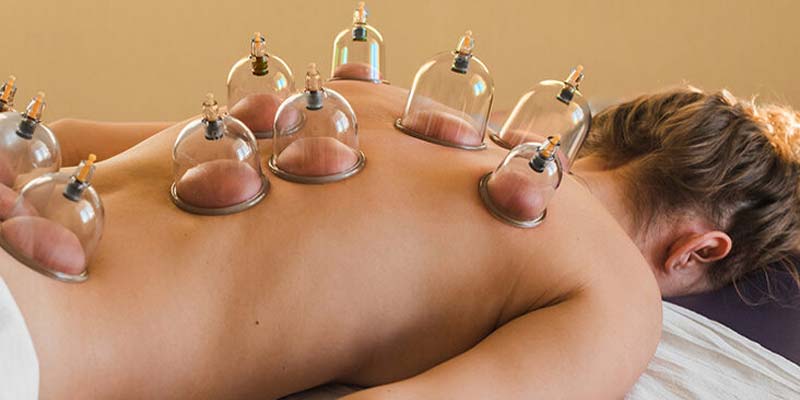
Hijama Cupping Therapy in Dubai has become a widely discussed wellness practice that focuses on supporting the body’s natural balance and relaxation. Many people explore it as a way to promote inner calm and revitalization. While the therapy itself is deeply rooted in tradition, knowing how to recover properly afterward ensures that the experience delivers its full potential. Recovery is not just about resting; it involves creating an environment that allows the body to absorb the positive effects of the session Hijama Cupping Therapy Dubai.
Understanding the Recovery Phase
The time following a session is considered an essential part of the overall experience. It is during this period that the body begins to settle, adjust, and respond to the stimulation from the therapy. The recovery phase allows the mind and body to restore harmony while maintaining the benefits gained during the session. Focusing on relaxation and simple lifestyle habits can help maximize these results.

Importance of Rest and Relaxation
After receiving therapy, rest becomes the foundation of recovery. Allowing the body to relax without physical strain is key. The session itself already works on stimulating circulation, and rest provides the body with the opportunity to adjust naturally. Choosing calm activities such as reading, meditating, or spending quiet time indoors enhances the restorative process.
Staying Hydrated
Water plays a significant role in helping the body recover smoothly. Staying hydrated supports circulation and ensures that the body maintains balance. Regular sips throughout the day are often encouraged, as they promote freshness and contribute to overall well-being.
Gentle Lifestyle Choices
During the first day of recovery, individuals are encouraged to avoid heavy exertion or anything that demands too much energy. Light movements and soft stretching can help keep the body flexible without overwhelming it. By keeping daily routines gentle, the body is given the chance to focus on its internal restoration.
Nourishing Foods for Recovery
Consuming wholesome meals plays a part in how effectively the body recovers. Balanced meals that include fresh, light, and nutrient-rich options support natural energy levels. A steady approach to eating without overindulgence allows the digestive system to remain comfortable while complementing the therapy’s calming effects.
Sleep as a Natural Healer
Sleep is one of the most underrated aspects of recovery. Deep, restful sleep assists the body in recharging and aligning with the therapeutic results. Going to bed slightly earlier or creating a peaceful environment for better quality rest makes a noticeable difference in how refreshed one feels the following day.
Mindful Practices During Recovery
Many people find that incorporating mindfulness during recovery strengthens the calming outcome of the therapy. Breathing exercises, meditation, or simply enjoying stillness can promote relaxation. These small practices encourage the mind to remain centered, helping to extend the wellness benefits beyond the session.
Creating a Calm Environment
The surroundings play an important role in post-session recovery. Spending time in a quiet, serene space supports emotional balance and encourages the body to remain at ease. Natural lighting, soft music, or peaceful surroundings can all contribute to a deeper sense of comfort and renewal.
Common Questions About Recovery
How long does it take to feel fully recovered?
Recovery time may vary for each individual. Some feel refreshed almost immediately, while others may notice gradual improvements over the next few days. The key lies in listening to the body and allowing it to guide the pace of recovery.
Can someone resume daily activities right away?
Most people are able to continue with gentle daily routines. However, it is recommended to avoid anything physically demanding immediately afterward. The idea is to allow the body space to focus on internal restoration.
Is hydration really important after a session?
Yes, hydration is very important. Water supports circulation, keeps the body refreshed, and complements the calming impact of the session. Staying hydrated is one of the simplest yet most effective ways to aid recovery.
Should diet be adjusted after therapy?
A balanced diet is always supportive of overall health. After a session, light and nourishing meals are preferred to avoid putting unnecessary stress on the body. Over time, these mindful food choices contribute to lasting wellness.
Embracing the Benefits
Recovery is not just about what is done immediately afterward but also about how one incorporates the experience into everyday life. Many find that Hijama Cupping Therapy in Dubai inspires them to slow down, focus on balance, and maintain healthier habits. By treating recovery as a meaningful part of the journey, individuals are able to enjoy longer-lasting results and a sense of ongoing renewal.
Conclusion
Recovering from therapy is as important as the session itself. Taking time to rest, staying hydrated, eating nourishing foods, and creating a calm environment ensures that the body makes the most of the practice. By valuing the recovery period, individuals give themselves the opportunity to fully embrace the calming and restorative nature of Hijama Cupping Therapy in Dubai. This thoughtful approach transforms the experience into a long-term path toward balance, vitality, and overall well-being.